The Hidden Link Between AI, Innovation and Digital Transformation And How To Solve It
The Hidden Link Between AI, Innovation and Digital Transformation And How To Solve It
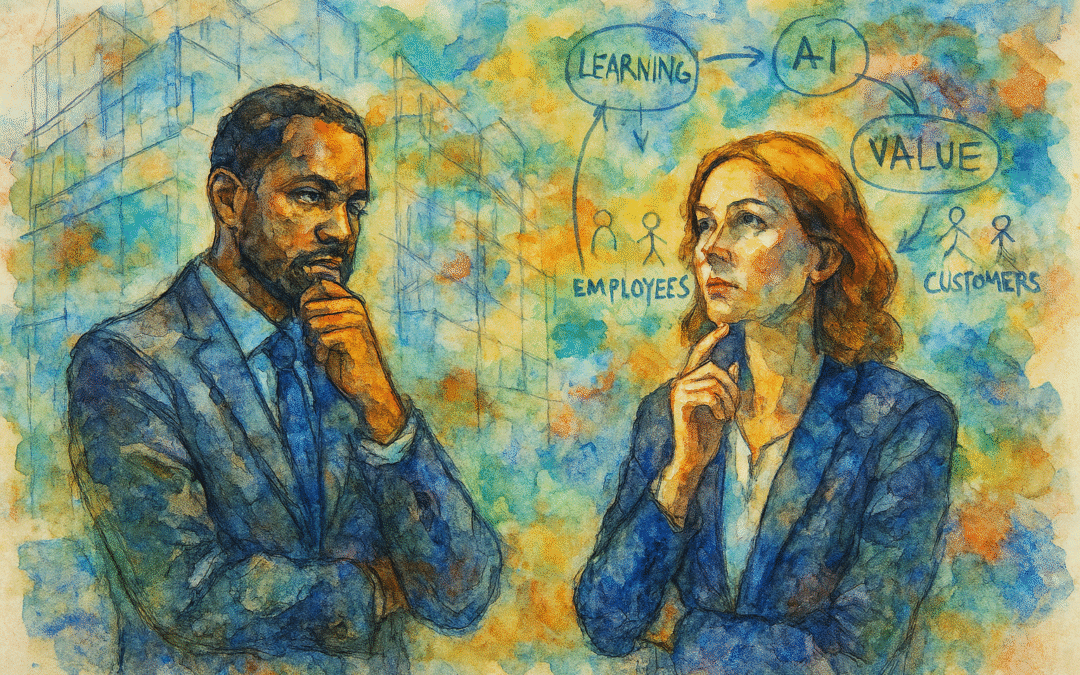
In our work assisting organizations with deploying AI and Intelligent Automation we are seeing three major friction points: leadership engagement, innovation management (experimentation culture) and staff retraining. Combined these friction points are delaying or ultimately killing deployments and we are observing it happening over and over again.
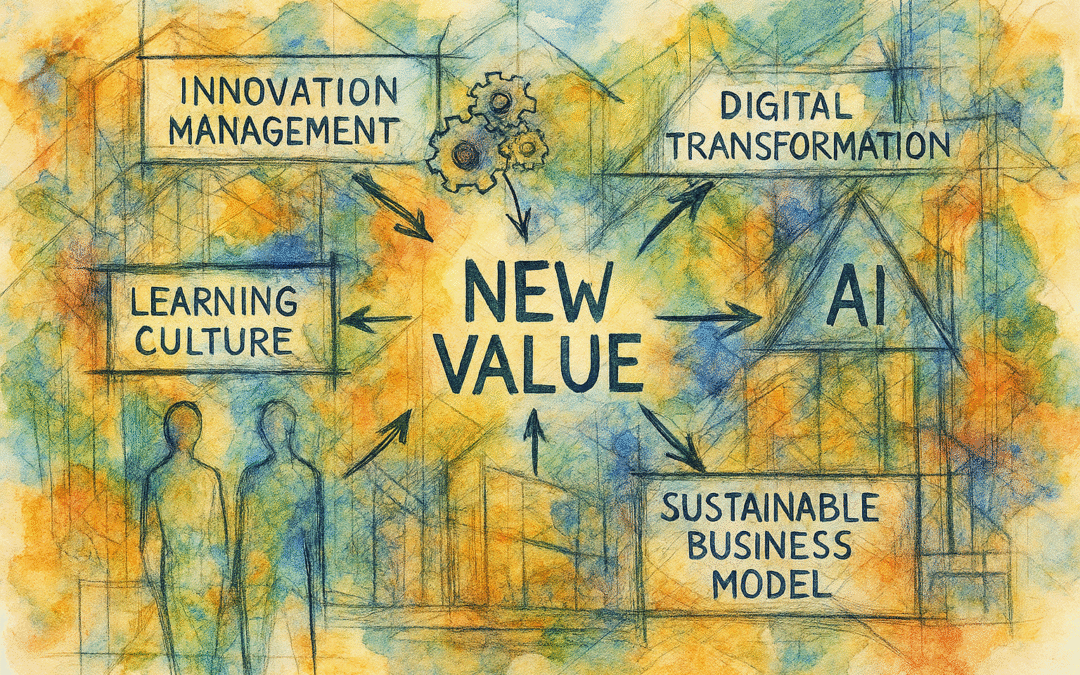
Innovation management and digital transformation management are critical components of a successful intelligent automation & AI deployment, as they enable organizations to create a culture of continuous learning, experimentation, and adaptation.
By integrating innovation management and digital transformation management into their AI strategy, executives can unlock new opportunities for growth, innovation, and competitiveness. This means prioritizing employee development, fostering a culture of experimentation, and leveraging data and analytics to drive informed decision-making.
Action Items for Executives:
--
1. Assess Your Current State:
Conduct an internal review of your organization's innovation management, digital transformation management, and intelligent automation & AI strategies to identify areas for improvement.
2. Develop a Unified Strategy:
Create a comprehensive AI strategy that integrates innovation management, digital transformation management, and intelligent automation, with clear goals, objectives, and metrics for success.
3. Foster a Culture of Experimentation:
Encourage a culture of experimentation and learning within your organization, where employees feel empowered to try new approaches and take calculated risks.
4. Leverage Data and Analytics:
Invest in data and analytics tools to drive informed decision-making and measure the effectiveness of your AI & digital transformation strategy.
5. Develop New Skills:
Invest in employee development programs that focus on skills such as AI, machine learning, and data science.
What Executives Should Contemplate:
- How can we create a culture of innovation and experimentation within our organization?
- What are the key components of a successful intelligent automation deployment, and how do they intersect with digital transformation management?
- How can we leverage data and analytics to drive informed decision-making in our AI strategy?
What Actions Should Executives Take?
--
1. Establish an Innovation Management Office: Create an innovation management office that oversees the development and implementation of new ideas and supporting digital initiatives.
2. Develop a Digital Transformation Roadmap: Create a digital transformation roadmap that outlines key objectives, milestones, and timelines for the organization's digital transformation efforts which factor in Intelligent Automation, and Artificial Intelligence.
3. Invest in AI Training Programs: Invest in employee training programs that focus on skills such as AI, machine learning, and data science.
4. Establish a Data Governance Framework: Establish a data governance framework that ensures data quality, security, and compliance with organizational policies and regulations.
By taking these steps, executives can ensure that the Venn diagram between innovation management, digital transformation, and IA / AI is linked and delivered together, unlocking new opportunities for growth, innovation, and competitiveness.
These are the crucial components that need to be in place for the 21st century organization to excel.
The question is: Are you bridging the gap between intelligent automation & AI and digital transformation, or are you siloing your initiatives?
#Leadership #DigitalTransformation #AI #InnovationManagement #IntelligentAutomation #StrategicPlanning #automation